Custom Enterprise Dispatch & Fleet Orchestration Portal
Logistics Enterprise
Overview
A national logistics firm managing a fleet of 1,200+ trucks relied on legacy, high-latency dispatch software. The system struggled to handle real-time...
Business Challenge
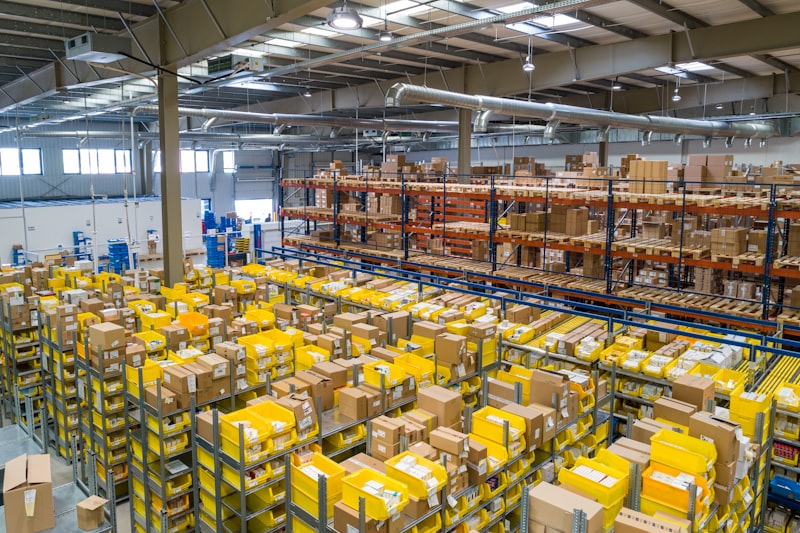
A national logistics firm managing a fleet of 1,200+ trucks relied on legacy, high-latency dispatch software. The system struggled to handle real-time route changes and driver scheduling constraints, causing route delays, missed delivery windows, and excess driver idle time costing over $3M annually.
HyperCode Solution
HyperCode engineered a bespoke web-based fleet orchestration portal. Utilizing React for a fluid user interface, .NET Core microservices, and high-performance SQL Server clustering, we developed a dynamic dispatch dashboard with automated route optimization engines.
Implementation & Consulting Strategy
Our development team designed a modern React front-end communicating with containerized .NET API gateways hosted on Azure. We implemented a route planning engine utilizing open-source GIS libraries that computes traffic patterns and vehicle capacity. Database queries in SQL Server were optimized with custom spatial indexing, reducing route loading delays from 45 seconds to sub-second speeds.
Business Results & Outcomes
The dispatch solution drove a 40% increase in operational fleet efficiency, reduced route-planning overhead by 50%, and achieved a 95% on-time dispatch rate within the first 90 days of deployment.
Project Information
Read Other Success Stories
Infrastructure Containerization & Cloud DevOps Architecture
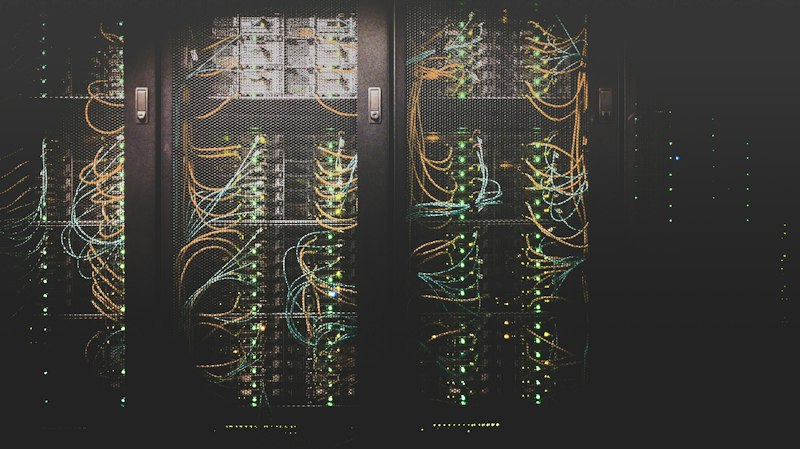
The client, a fast-growing B2B SaaS platform, suffered from unstable product deployments, manual infrastructure configuration drifts, and high cloud overhead expenses. Lack of automated continuous delivery pipelines resulted in production release window outages and slow scale-ups during peak usage hours.

Legacy Process Modernization & Cloud Claims Platform
An insurance network with millions of active policies processed auto and property claims using paper filings and legacy mainframe databases. A single claim required manual transfer across 4 systems, resulting in an average processing delay of 21 days and high administrative claim handling costs.
Initiate a Solutions Briefing
Do you face a similar operational bottleneck? Set up a direct briefing session with our solutions architect to map your data engine requirements.