
How to Evaluate Staff Augmentation Consulting Services

HyperCode

Technology Consulting

October 15, 2026
8 min read
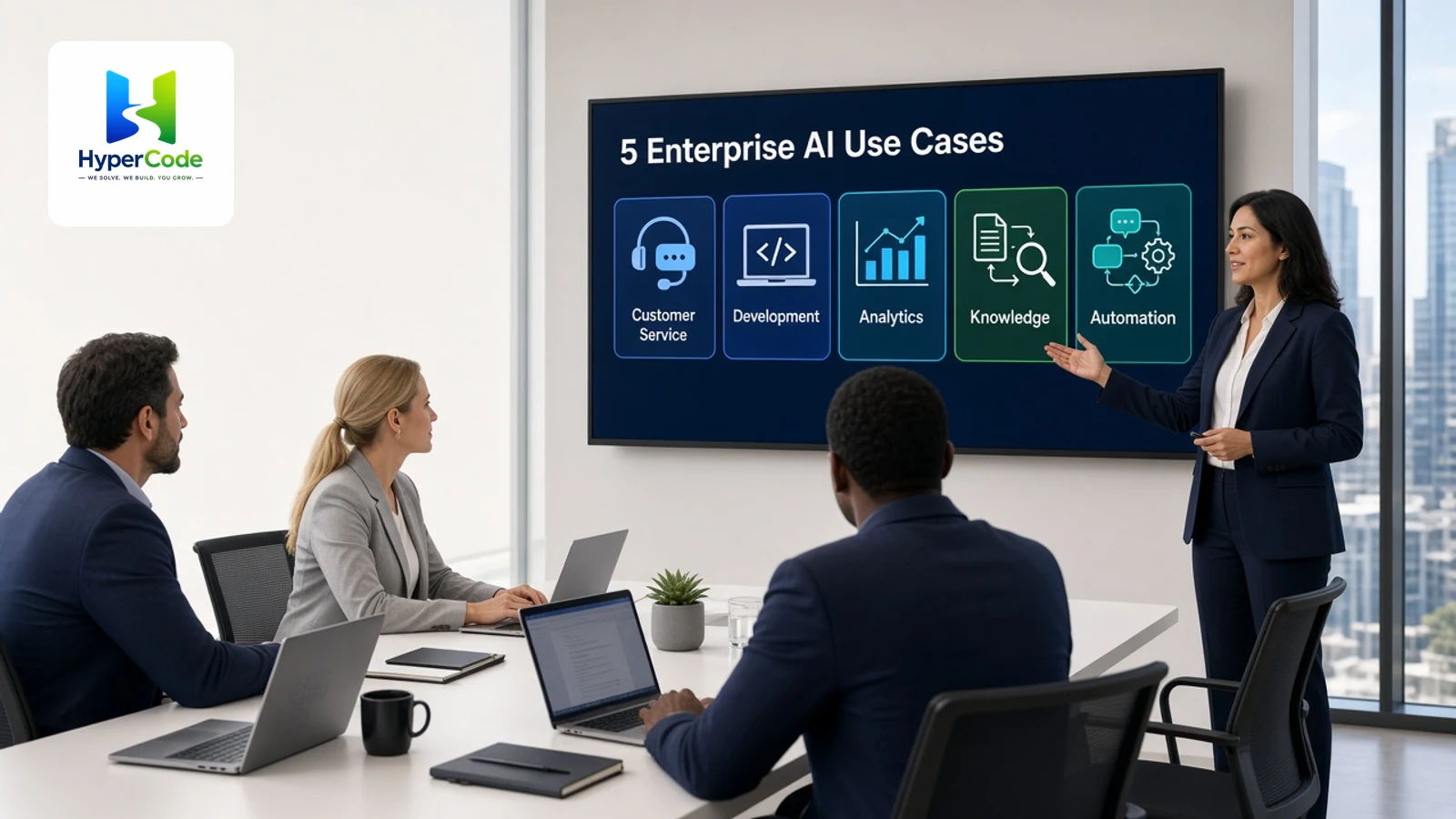
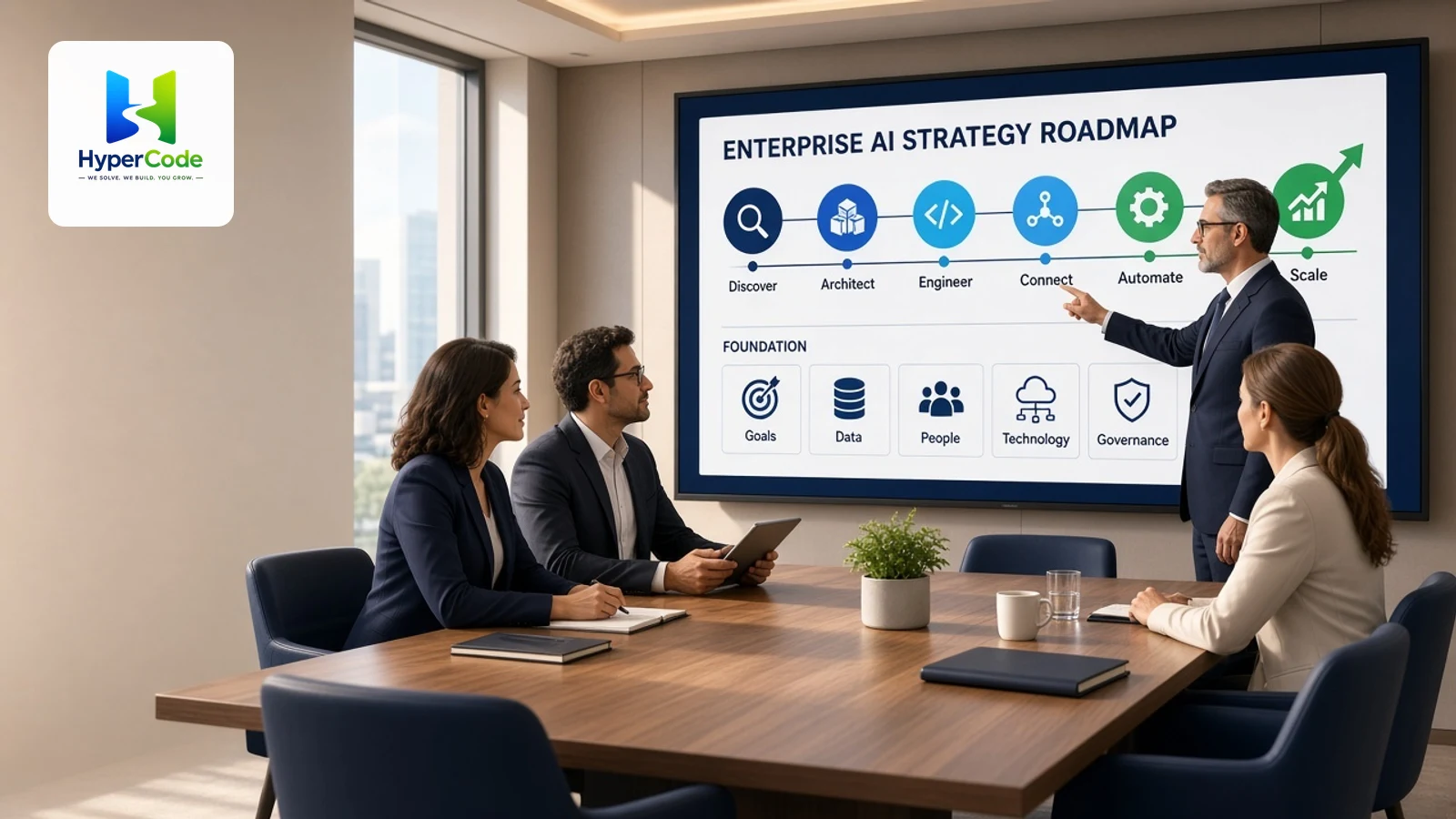
Technology leadership team in an executive conference room evaluating staff augmentation consulting services, partner scorecards, and candidate profiles, with the HyperCode logo
Back to Articles

Share Article

A practical guide to choosing the right technology talent partner for speed, capability and long-term business value.

Table of Contents
  1. The Decision Is Bigger Than Headcount
  2. 1. Start With the Business Need
  3. 2. Evaluate the Provider, Not Just the Candidate
  4. 3. Assess Talent Quality and Technical Depth
  5. 4. Examine Flexibility, Communication and Control
  6. 5. Know the Red Flags Before You Sign
  7. 6. From Added Talent to Business Capability
  8. Frequently Asked Questions (FAQ)

Strategic Perspective

The Decision Is Bigger Than Headcount

Staff augmentation consulting services can give an organisation access to specialised technology talent without forcing every capability into a permanent hiring model. But the value is not created simply by adding people. It comes from adding the right expertise, at the right time, with the right operating model.

A strong provider should understand the business problem behind the staffing request, assess technical fit carefully, integrate specialists into the existing team and remain accountable for communication and delivery. The evaluation should therefore look far beyond resumes and hourly rates.

The Evaluation Principle

Choose the partner that improves your team’s capability — not simply the partner that can send you the most profiles.

Phase 1: Alignment

1. Start With the Business Need

The first question should never be “How many developers do we need?” It should be “What capability is missing, and what business outcome depends on it?” That distinction helps determine the right skills, engagement length and level of seniority required to succeed.

Before writing a requisition or reaching out to external vendors, engineering leadership must define the specific capability gap:

  • Identify the initiative: Clarify the exact product, platform refactoring, cloud migration or data pipeline initiative the talent will support.
  • Separate capacity from expertise: Distinguish temporary sprint velocity pressure from a genuine shortage of specialized architecture, DevOps or data engineering skills.
  • Clarify technical context: Document the frameworks, cloud environments, API integrations and domain knowledge required.
  • Define measurable success: Establish objective criteria—such as accelerated release cadences, zero-downtime database cutovers, or improved test coverage.
  • Structure collaboration: Determine how augmented specialists will interface with internal leads, product owners, architects, and existing staff.

Evaluation Framework

Capability Gap to Role Definition Framework

Step 01

Business Objective

Define the core initiative, release deadline, or digital transformation outcome.

Step 02

Capability Diagnosis

Differentiate short-term capacity backlog from deep specialized technical gaps.

Step 03

Technical Context

Detail tech stack, CI/CD pipelines, APIs, and domain compliance requirements.

Step 04

Success Metrics

Set clear delivery benchmarks: sprint velocity, deployment cadence, and uptime.

Step 05

Team Structure

Establish reporting cadence, peer reviews, architectural authority, and rituals.

Figure 1: Defining the technical and business gap before specifying headcount prevents misaligned staffing engagements.

Phase 2: Partner Due Diligence

2. Evaluate the Provider, Not Just the Candidate

A staffing provider can present a strong individual candidate and still be a weak consulting partner. Evaluating a vendor solely through individual resumes leaves your organization exposed when requirements pivot or operational friction arises.

Instead, evaluate the organization’s internal screening methodology, technical leadership bench, communication rhythm, and operational commitment after onboarding.

Assessment Matrix

Staff Augmentation Consulting Provider Evaluation Matrix

Dimension 01

Technical Screening

Rigorous peer-led coding and systems evaluations reduce costly skill mismatches on day one.

Ask This “How are candidates technically assessed by your senior engineers before being presented?”
Dimension 02

Domain Fit

Industry and architecture context matters as much as pure coding fluency.

Ask This “What comparable technology and regulatory environments have your consultants supported?”
Dimension 03

Delivery Model

Augmented talent must seamlessly integrate into your sprint cycles, standups, and tooling.

Ask This “Who is accountable for managing the engagement and tracking ongoing performance?”
Dimension 04

Continuity Planning

Unexpected turnover or changing requirements can stall delivery without a structured backfill plan.

Ask This “What specific protocols exist if a consultant becomes unavailable or is no longer the right fit?”

Figure 2: The four core pillars that distinguish strategic consulting partners from commoditized staffing agencies.

Core Insight

The goal is not just to add talent — it is to add the right capability. A strong partner understands your business environment and adapts as project priorities evolve.

Phase 3: Rigorous Vetting

3. Assess Talent Quality and Technical Depth

The quality of an augmented engineering team is determined by far more than years of experience on a resume. Technology leaders must look for verifiable evidence that the provider consistently identifies talent capable of executing inside modern engineering ecosystems.

Vetting Standard

The Five Talent Quality Signals

Technical Depth

Demonstrated hands-on experience with your actual production platforms, cloud services, microservices, and database layers.

Problem Solving

Ability to navigate ambiguity, debug distributed bottlenecks, and design robust solutions without micro-management.

Communication

Clarity in articulating architectural trade-offs, writing clean technical documentation, and collaborating with business stakeholders.

Delivery Maturity

Instinctive adherence to automated CI/CD pipelines, disciplined branch management, rigorous test suites, and peer code reviews.

Cultural Fit

A professional working style that aligns with your internal team’s velocity, ownership mindset, and operational standards.

Figure 3: Five essential talent signals that ensure external specialists accelerate your product roadmap without introducing technical friction.

The Quality Test: A strong provider should explain not only why a candidate is qualified, but why that person is appropriate for your particular environment.

Phase 4: Operational Alignment

4. Examine Flexibility, Communication and Control

Staff augmentation delivers its greatest return when external consultants operate as a natural extension of your internal engineering pod. Achieving that seamless cohesion requires transparent communication rhythms, fast feedback channels, and an engagement model that adjusts dynamically as roadmap priorities change.

Operating Governance

The Six Visibility Dimensions of a Healthy Engagement

Technical Ownership

Clear demarcation of day-to-day backlog priorities, pull request approvals, and architectural decisions.

Progress & Risk Reporting

Direct participation in sprint standups, sprint reviews, and proactive escalation of roadblocks.

Scope Adaptability

Structured mechanisms to accommodate shifting roadmap targets or emerging technology integrations.

Timezone & Tool Harmony

Guaranteed working hour overlaps and native operation inside your Slack, Jira, and GitHub/GitLab tooling.

Performance Reviews

Periodic delivery reviews between technical leads to assess velocity, code quality, and collaboration.

Elastic Capacity Scaling

Flexible contractual terms to scale capacity up or adjust technical specialties without penalty.

Figure 4: A transparent operating model ensures internal engineering leaders retain full architectural governance.

Interactive Architecture

The Staff Augmentation Evaluation-to-Delivery Lifecycle

Stage 1

Business Need

Identify project outcomes and delivery timeline.

Stage 2

Capability Gap

Isolate specialized technical stack needs.

Stage 3

Provider Vetting

Audit screening depth and consulting bench.

Stage 4

Talent Assessment

Verify coding rigor, problem-solving, and communication.

Stage 5

Context Verification

Validate domain experience and architectural fit.

Stage 6

Seamless Onboarding

Integrate into CI/CD, standups, and repos.

Stage 7

Delivery Oversight

Track velocity, code review quality, and continuity.

Stage 8

Business Capability

Achieve durable roadmap velocity and adaptability.

Figure 5: An animated view of the complete lifecycle from initial requirement definition to integrated, high-velocity engineering capability.

Phase 5: Risk Mitigation

5. Know the Red Flags Before You Sign

Selecting the wrong partner can jeopardize release deadlines, create technical debt, and burn internal leadership bandwidth. Be vigilant for these common warning signs during preliminary sales conversations:

Risk Warning

Six Red Flags in Staff Augmentation Proposals

Profile Volume Over Fit

Flooding your inbox with dozens of resumes rather than presenting a curated selection of thoroughly vetted engineers.

Rate-First Selling

Centering the conversation on aggressive hourly rates before taking the time to understand your architecture and delivery goals.

Opaque Screening

Inability to articulate how candidates are evaluated technically, or relying solely on non-technical recruiter screenings.

Weak Engagement Ownership

No dedicated client partner or delivery lead is accountable for the relationship once consultants are placed.

Overpromising Capabilities

Claiming instant mastery of every esoteric framework or guaranteeing unrealistic onboarding timelines without assessing complexity.

Zero Continuity Planning

No contractual answer, bench depth, or transition plan in the event of consultant illness, churn, or changing skill requirements.

Figure 6: Spotting transactional vendor behaviors early protects your engineering team from costly onboarding failures.

Test the Continuity Plan

Before executing an agreement, ask the provider what happens if a consultant becomes unavailable or is no longer the right technical fit. A mature consulting firm maintains a practical approach to replacement, knowledge transfer, and handover documentation, ensuring project momentum remains uninterrupted.

Strategic Contrast

The Better Comparison: Commodity Staffing vs. Consulting-Led Augmentation

Commodity Staffing Agency

  • Resume brokerage based on automated keyword filters
  • Conversation revolves around lowest hourly rate
  • No ongoing oversight or technical accountability post-placement
  • Disruptive turnover leaves your team with lost knowledge
  • Treats engagements as transactional headcount billing

Consulting-Led Augmentation Partner

  • Curated specialists vetted by senior engineering leaders
  • Focuses on delivery confidence, velocity, and business KPIs
  • Continuous engagement management and performance tracking
  • Active continuity plan with documented knowledge transfer
  • Treats engagements as strategic extensions of your core team

Figure 7: Compare the delivery confidence each partner provides your business, not merely their rate card.

The Benchmark Question

The real measure of a staffing partner is not how quickly it fills a role, but how confidently it helps your organisation keep moving.

Phase 6: Long-Term Value

6. From Added Talent to Business Capability

The best staff augmentation consulting engagement makes the internal organisation stronger, not simply busier. High-performing specialists introduce modern engineering practices, collaborate shoulder-to-shoulder with existing staff, and help move strategic initiatives forward while preserving internal governance over the technology roadmap.

HyperCode Advantage

The HyperCode Difference: Four Pillars of Capability

Pillar 01

Right Talent

Direct match of specialized skills to actual production architectural requirements, eliminating guesswork.

Pillar 02

Right Context

Consultants embedded inside your existing workflows, CI/CD pipelines, ERP, CRM, and cloud platforms.

Pillar 03

Right Flexibility

Seamlessly adjust team capacity, tech disciplines, and sprint allocations as business milestones shift.

Pillar 04

Right Support

Dedicated engagement oversight, zero-disruption continuity management, and shared accountability.

Figure 8: How HyperCode aligns specialized engineering talent with strategic enterprise execution.

Why HyperCode Belongs in Your Evaluation

HyperCode combines deep technology consulting, custom software development, and specialized talent solutions, with IT & Non-IT Staffing and Dedicated Engineering Teams forming core pillars of our enterprise services.

Our dedicated-team model aligns day-to-day execution directly with business KPIs, integrating seamlessly with your APIs, legacy systems, enterprise resource planning, and cloud architectures. We support each engagement from initial technical discovery through long-term production operations.

The Six-Month Test

Imagine your engagement six months from today. The roadmap has evolved, a mission-critical cloud migration is underway, and your team requires a new technical competency. Would your provider proactively help you adapt — or would you be forced to restart the entire vendor evaluation cycle from scratch?

Don’t just add people. Add the capability your business needs next.
HyperCode — extending technology teams with expertise, flexibility and purpose.

Executive FAQ

Frequently Asked Questions About Staff Augmentation Consulting Services

What is the difference between commodity IT staffing and staff augmentation consulting services?

Commodity staffing operates primarily as a resume brokerage, supplying profiles based on keyword matches and hourly bill rates without evaluating organizational fit or delivery context. In contrast, staff augmentation consulting services assess the business problem, technically vet candidates against your architecture and tooling, actively manage integration, and assume shared delivery accountability throughout the engagement.

How should engineering leaders evaluate a vendor’s technical screening process?

Ask the provider to walk through their exact screening rubric. A reliable partner will demonstrate peer-level technical assessments conducted by senior engineers, practical coding or architecture problem-solving challenges, and an evaluation of modern delivery hygiene (CI/CD, automated testing, git workflows, and communication), rather than relying on self-reported CV keywords.

Why is domain fit as critical as coding skill in staff augmentation?

Engineers who understand your industry context, data sensitivities, and regulatory standards (such as HIPAA, SOC 2, or PCI-DSS) contribute productively from sprint one. Without domain familiarity, developers spend unnecessary cycles learning fundamental business terminology and workflows, creating drag on existing core engineers.

What continuity guarantees should be verified before signing a contract?

A mature partner must provide a defined continuity SLA: structured knowledge transfer protocols, code documentation practices, and a pre-vetted bench ready to backfill unexpected departures within days, ensuring your product release roadmap experiences zero disruption.

How does staff augmentation consulting protect intellectual property and code security?

Reputable consulting partners enforce comprehensive IP assignment clauses, require all work to be executed on your company repositories and secured cloud infrastructure, enforce multi-factor authentication and role-based access, and comply with strict NDA and data governance standards.

How does HyperCode approach staff augmentation consulting differently?

HyperCode combines technology consulting, custom software engineering, and specialized talent capabilities. Rather than treating staffing as a separate transactional placement, HyperCode embeds specialists directly into your technology stack—aligning technical execution with business KPIs, integrating with your existing APIs, ERP, and cloud infrastructure, and supporting ongoing delivery.

About the Author

HyperCode

Technology Consulting

HyperCode is a Schaumburg, Illinois-based technology consulting and engineering company founded in 2014.

Evaluating Staff Augmentation Consulting Partners for Your Next Milestone?

HyperCode provides strategic technology consulting, custom software engineering, and dedicated talent solutions aligned directly with your architecture and delivery goals.

Read Article

Related Articles

Business and technology leaders evaluating custom software development partners using criteria for architecture, engineering, integration, security, delivery, and support.
Software Development

Selecting a Custom Software Development Firm

Learn how to evaluate a custom software development firm based on business fit, architecture, engineering depth, delivery discipline, security, integration, and long-term partnership.

October 13, 2026Read Brief